A set of keys sits on a polished countertop, representing the transition from a home office to a dedicated commercial lease. For the growing professional in Dallas, this moment marks a shift from managing personal space to overseeing a structured environment. The decision is no longer just about where to sit, but about how much of the surrounding environment you are willing to fund.
The Weight of Fixed Costs
The core of any workspace involves the non-negotiables: square footage, light, and proximity to necessary transit or client hubs. These elements form the foundation of your daily operations. However, as the floor plan expands, the temptation to populate that space with high-end finishes and custom built-ins grows. Every addition to the physical environment carries a weight that extends beyond the initial invoice. You must weigh the immediate impact of a design choice against the ongoing cost of maintaining that choice over several years.
Navigating the Aesthetic Tradeoff
Consider the tension between a minimalist, highly functional layout and a curated, designer-led environment. A minimalist approach prioritizes movement and utility, reducing the number of items that require cleaning, repair, or replacement. A more decorative approach can signal prestige and brand identity, but it introduces layers of complexity. The tradeoff is often one of agility versus image. A space filled with bespoke furniture and specialized lighting may feel more established, but it offers less flexibility if your team size or operational needs shift unexpectedly.
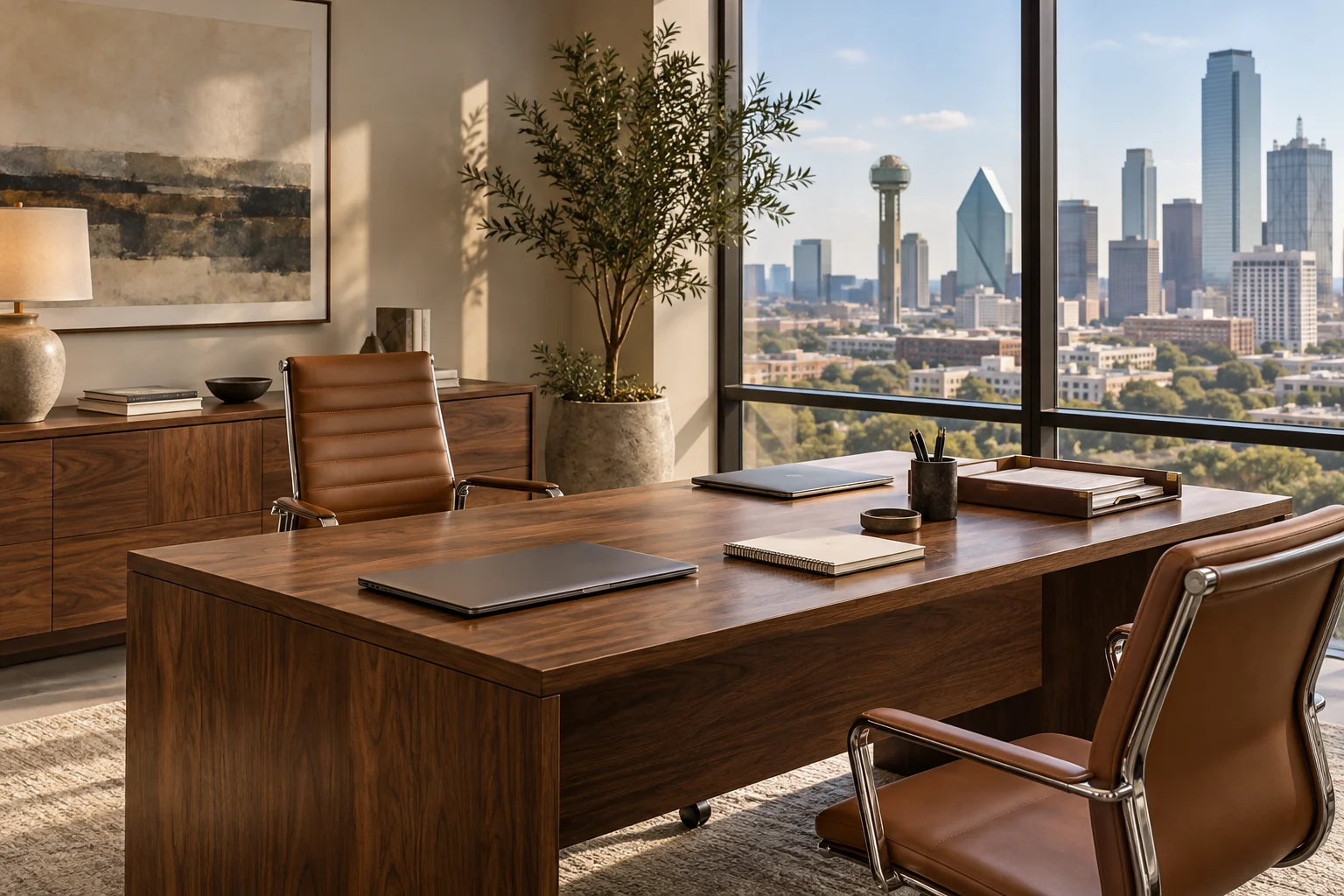
For example, if you are deciding between a standard modular desk system and a series of custom-carved walnut workstations, you are choosing between adaptability and permanence. The modular system allows for rapid reconfiguration as your headcount fluctuates, while the walnut pieces anchor the room in a specific, unchangeable style. One supports the rhythm of a changing business; the other defines a static moment in time.
Questions for the Transition
Before committing to a lease or a build-out, it is necessary to scrutinize the long-term implications of your selections. Rather than assuming a feature is a permanent asset, ask the following questions of your design or leasing consultants:
- How does the proposed layout accommodate changes in staff numbers or departmental structures?
- What are the long-term maintenance requirements for the specific materials selected for the common areas?
- Which elements of the design are essential for daily workflow, and which are purely supplemental?
- How will the cost of these additions affect the overall budget for operational overhead?
The most successful urban workspaces are those that allow for growth without forcing a total redesign. By separating the structural essentials from the optional flourishes, you ensure that your physical environment serves your business rather than becoming a burden to it. Focus your capital on the elements that facilitate your work, and leave room for the optional additions to arrive only when they are truly required.


