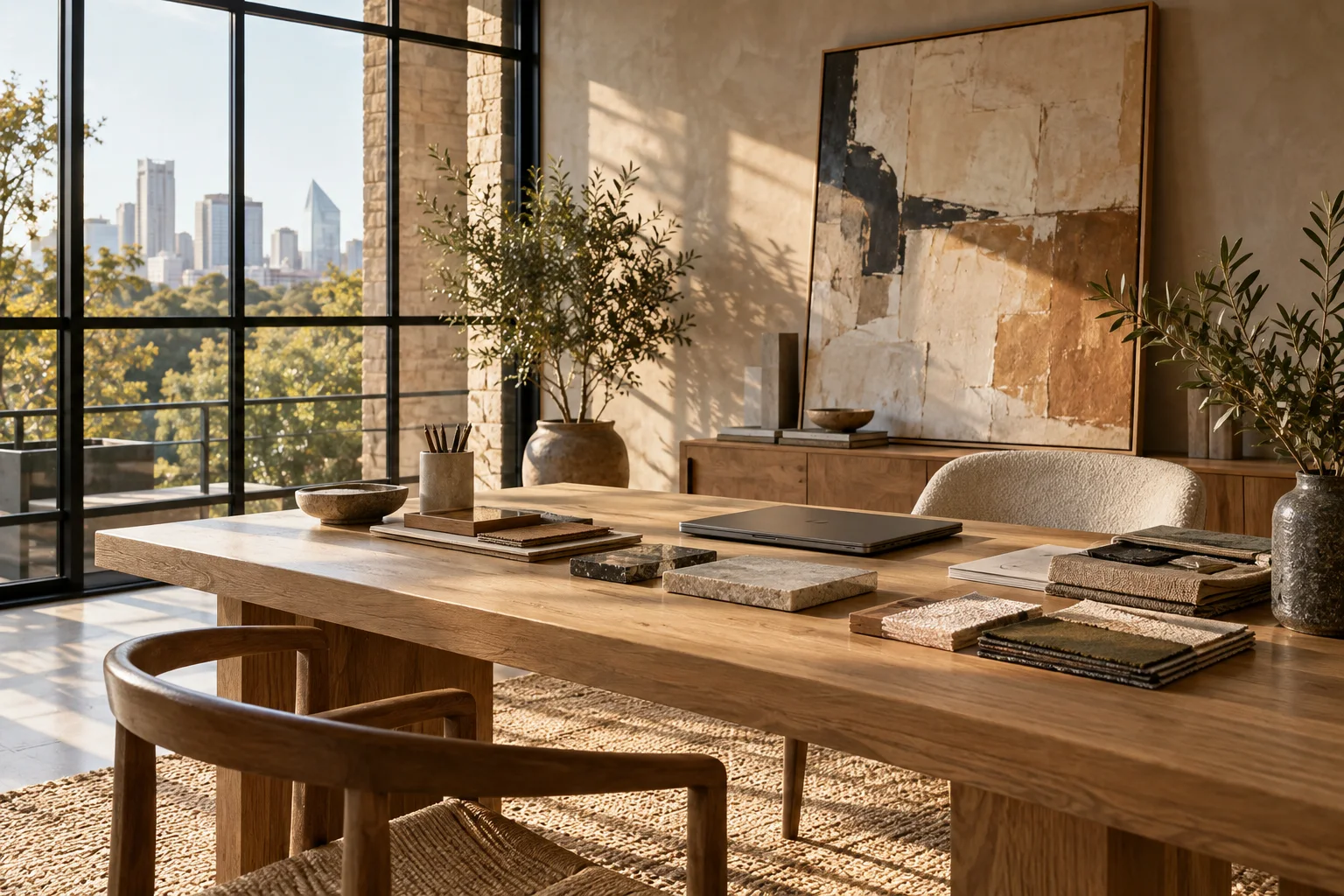
A new seating area in a public plaza or a redesigned lobby in a shared office building often sparks immediate reactions. You might find yourself looking at a specific shade of charcoal upholstery or the height of a communal table and feeling an instant urge to comment. However, when providing feedback to a designer, there is a significant difference between expressing a personal preference and identifying a functional misalignment.
The trap of personal taste
It is easy to mistake a visual dislike for a design flaw. If a designer proposes a minimalist aesthetic with hard surfaces and sharp angles, your instinct might be to suggest more warmth or softer textures. While these are valid feelings, they often describe what you want to see rather than how the space should perform. When feedback focuses solely on aesthetics, the designer is left trying to satisfy an individual's mood rather than solving a spatial puzzle.
For example, if you are participating in a community consultation for a new neighborhood park, you might find yourself wishing for more traditional wooden benches instead of the sleek metal ones presented in the sketches. If you tell the designer, "I don't like the metal," you haven't provided a way to improve the project. You have only shared a preference. To make that feedback actionable, you must look at the intended use of the space.
Focusing on intended use
Effective feedback bridges the gap between what a space looks like and what it is supposed to do. Instead of critiquing the color or the material, observe the behavior the design encourages. A designer is trying to manage flow, comfort, privacy, and durability. Your role is to observe whether the proposed elements support the people who will actually inhabit the space.
Consider the tradeoff between aesthetics and utility. A glass-walled meeting room in a busy Dallas office might look stunning and airy, but it may fail if the primary users require deep concentration without visual distractions. In this case, the problem isn't the glass itself; it is the lack of acoustic or visual privacy. If you approach the designer with an observation about the need for focus, they can suggest solutions—such as frosted glazing or acoustic partitions—that maintain the design intent while solving the functional problem.
Asking the right questions
When you find yourself stuck between a dislike and a suggestion, shift your focus toward the designer's objectives. Rather than prescribing a specific visual fix, ask questions that allow them to explain their reasoning. You might ask how a specific material choice addresses the expected foot traffic or how the layout facilitates the movement of people during peak hours. You could also ask how the proposed lighting scheme accounts for the different times of day or the specific activities planned for that area.
By moving away from "I like" or "I hate" and toward observations about how a space functions, you provide the designer with the clarity they need to refine their work. The goal is to ensure the final result serves its purpose for everyone, not just the person offering the most vocal opinion.


