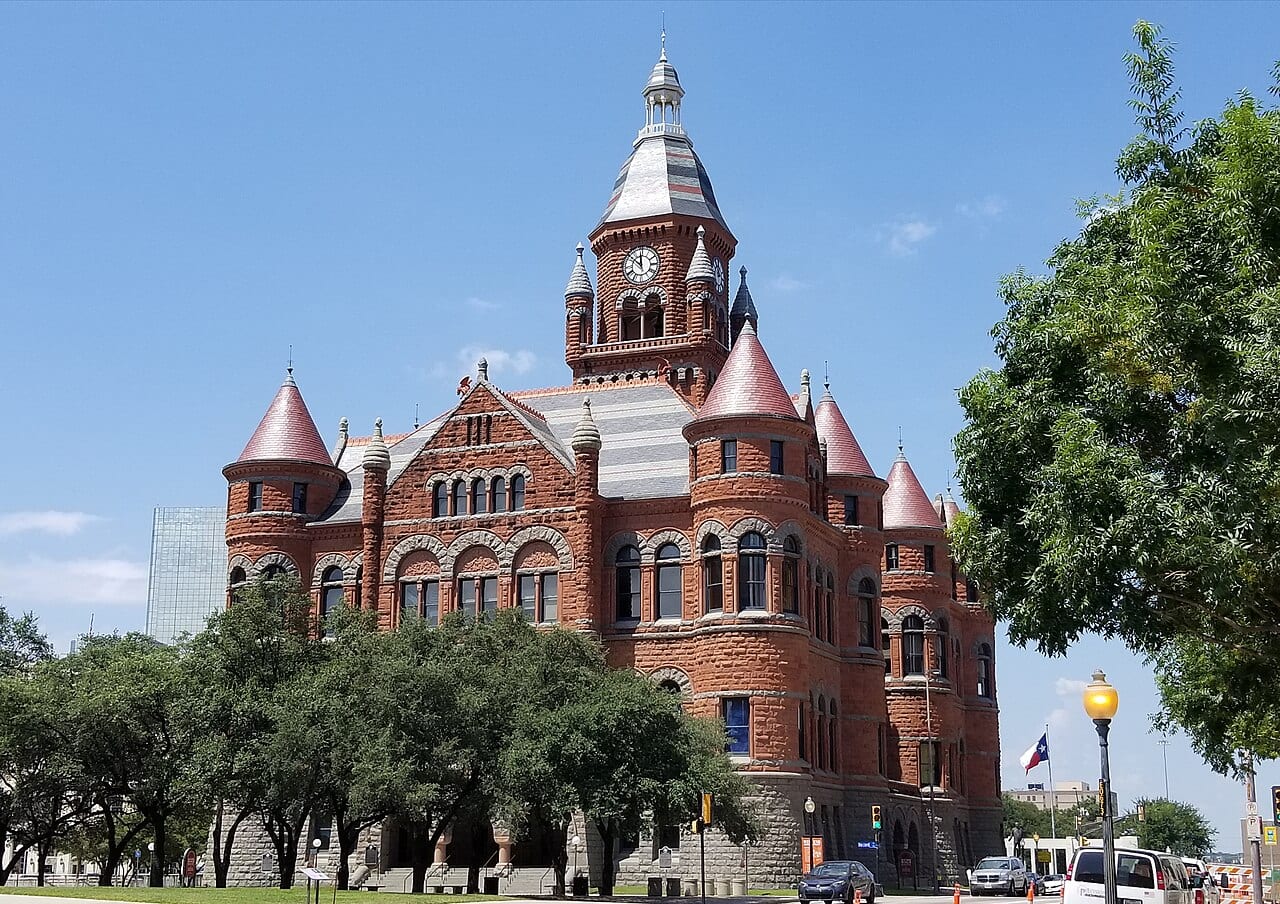
A heavy glass door swings shut, a meeting ends, and you walk back into the Dallas heat with a head full of verbal instructions. You feel you have a grasp on the direction of your project, but the nuances of the conversation remain tethered to the air of the conference room. For those managing the intricacies of urban living—whether navigating a zoning discussion or a property dispute—the transition from spoken word to actionable certainty is often where the most friction occurs.
The Trade-off of Immediate Conversation
There is a distinct psychological comfort in a face-to-face consultation. A professional’s tone and gestures can convey confidence, yet these sensory cues do not constitute a record. Relying on memory involves a trade-off: you gain the speed of an immediate conversation, but you sacrifice the precision required for long-term planning. A verbal summary might feel complete, but it often leaves the boundaries of specific advice unmapped.
For example, if you are discussing the implications of a new development nearby, a professional might explain how certain setbacks affect your property. You leave feeling informed, but you may realize later that you are unsure if their explanation applied to your specific lot or to the general neighborhood standard. This ambiguity is the space where uncertainty takes root.
Converting Dialogue into Documentation
If you prefer a written record over a follow-up meeting, use the momentum of the initial discussion to create a bridge. Rather than requesting a new appointment, send a concise summary of your understanding of what was discussed. This is not about asking for a new lecture, but about verifying the existing one. By documenting the points as you heard them, you force any gaps in clarity to the surface.
Structure your note to separate what was clearly stated from what remains speculative. You might write: "Based on our conversation, I understand that [Point A] applies to my situation, and that [Point B] is a possibility we should monitor. Is this an accurate reflection of your guidance?" This approach transforms a passive recipient of information into an active curator of the record.
Addressing Unresolved Items
A successful recap does more than just repeat; it identifies what was left behind. If a question was raised during the meeting but met with a response indicating more research is needed, do not let it vanish into the notes. List these unresolved items explicitly. Instead of assuming the professional will circle back, ask them to provide the specific details that were missing from the initial exchange.
Ask the professional which specific documents or data points they require to turn their preliminary observations into a definitive answer. By sending these unanswered questions back for clarification, you ensure that your next step is based on a confirmed reality rather than a polite approximation. This process ensures that when you finally move forward with your civic or property decisions, you are acting on a foundation of documented facts.