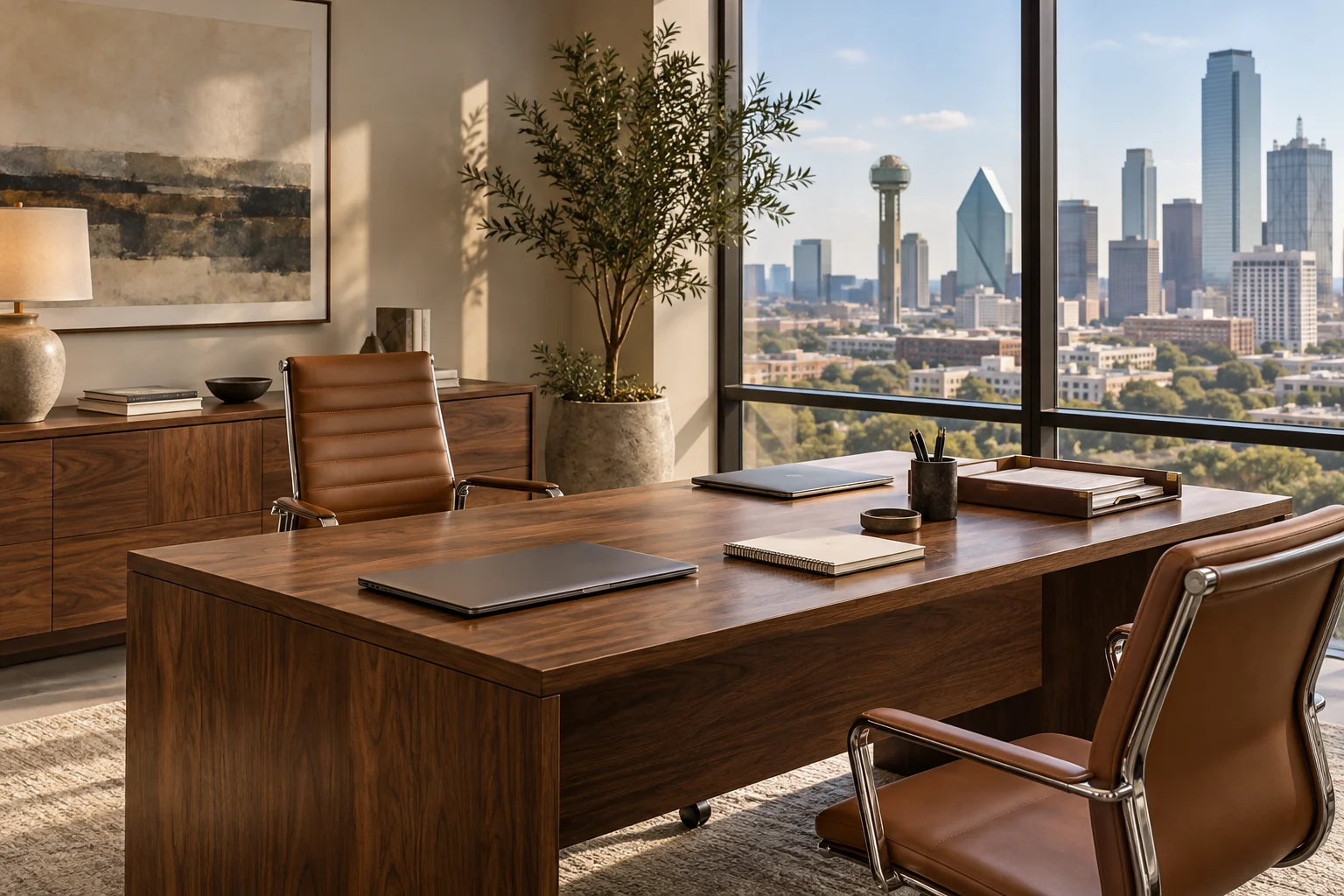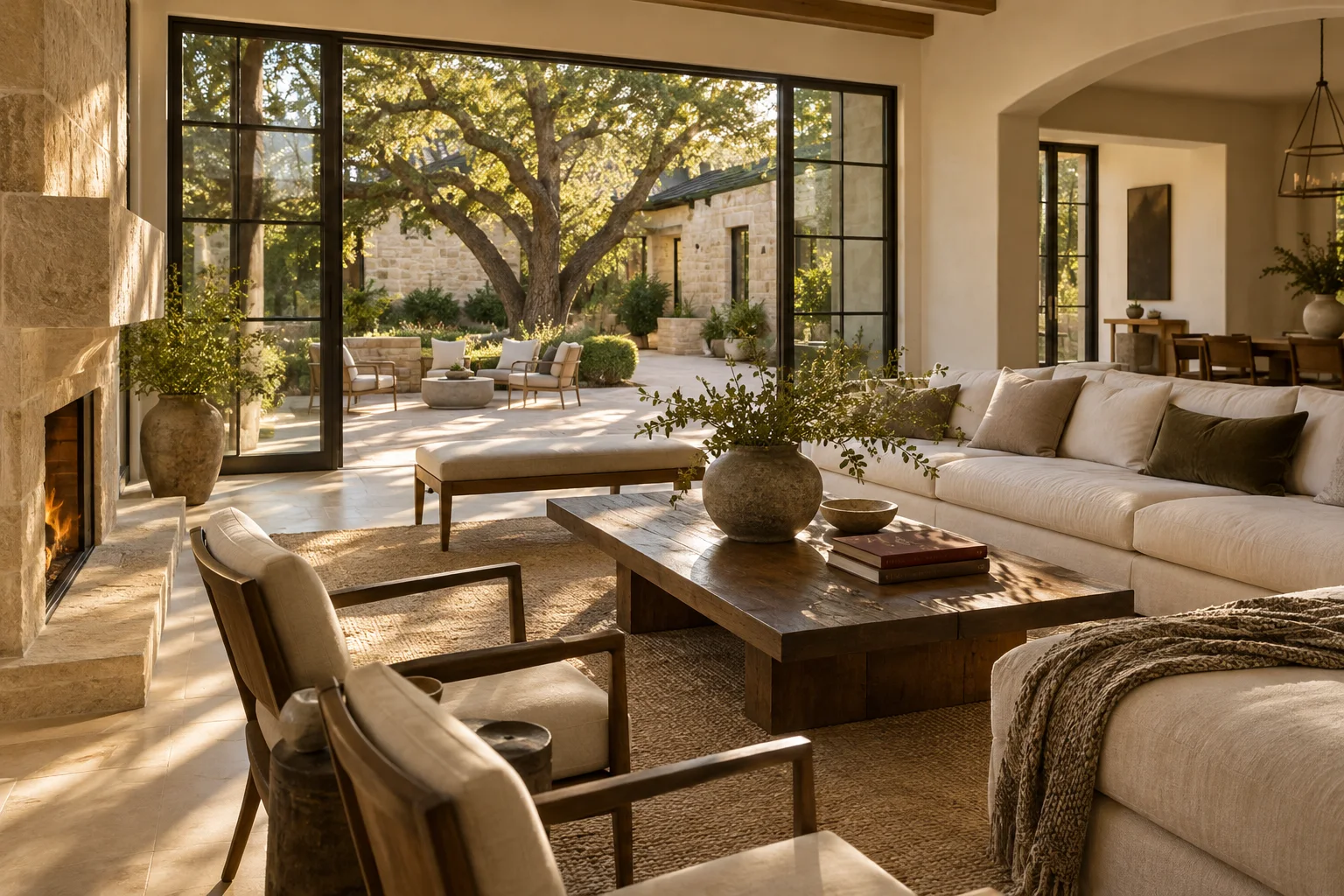
A hotel website often presents a curated vision of comfort, using adjectives to paint a picture of luxury. However, for the traveler navigating the urban landscape, the gap between a polished photograph and the physical reality of a room can be significant. Choosing the right space requires looking past the evocative adjectives and focusing on the actual spatial configuration and functional layout.
The Tradeoff of Scale and Price
There is a constant tension between the desire for a grander footprint and the practicalities of a budget. Many travelers face a decision: do they opt for a premium suite with expansive views and separate seating areas, or do they select a more modest, entry-level room to save funds for dining and local exploration? This choice involves a meaningful tradeoff between the luxury of extra square footage and the utility of a more compact, efficient space.
For example, if you are planning a weekend trip to explore the city, you might find that a larger suite offers a beautiful lounge area, but that space remains unoccupied while you are out discovering local neighborhoods. In this scenario, the extra cost of the suite might not translate into a better experience if your primary use for the room is merely a place to sleep and refresh.
Beyond the Adjectives
When browsing options, the terminology used can be intentionally broad. A room described as "cozy" or "intimate" may simply be a way to signal a smaller footprint. Rather than relying on these descriptors, look for specific mentions of layout. Does the description mention a dedicated workspace, or does it imply the desk is part of the sleeping area? Does the bathroom offer a separate tub, or is it a combined unit?
To move beyond the marketing language, consider asking the hotel staff specific questions about the physical environment. You might ask how much floor space is available for luggage if you are staying for several days. You could also ask how the lighting is configured in the room, particularly if you plan to work or read in the evenings. If the website mentions a view, ask whether that view is unobstructed or if it looks directly into an adjacent structure.
Defining Your Essential Needs
Before committing to a booking, identify which features are non-negotiable for your specific trip. If you are traveling for business, the presence of a reliable, ergonomic workspace might be more important than a balcony. If you are traveling for leisure, the proximity of the room to the elevator or the noise levels of the floor might be your priority.
By shifting your focus from the emotional appeal of the room name to the functional realities of the space, you can make a decision based on how you actually intend to live within those four walls. Ask the reservation agent which specific room layouts best accommodate the routines you have planned for your stay.