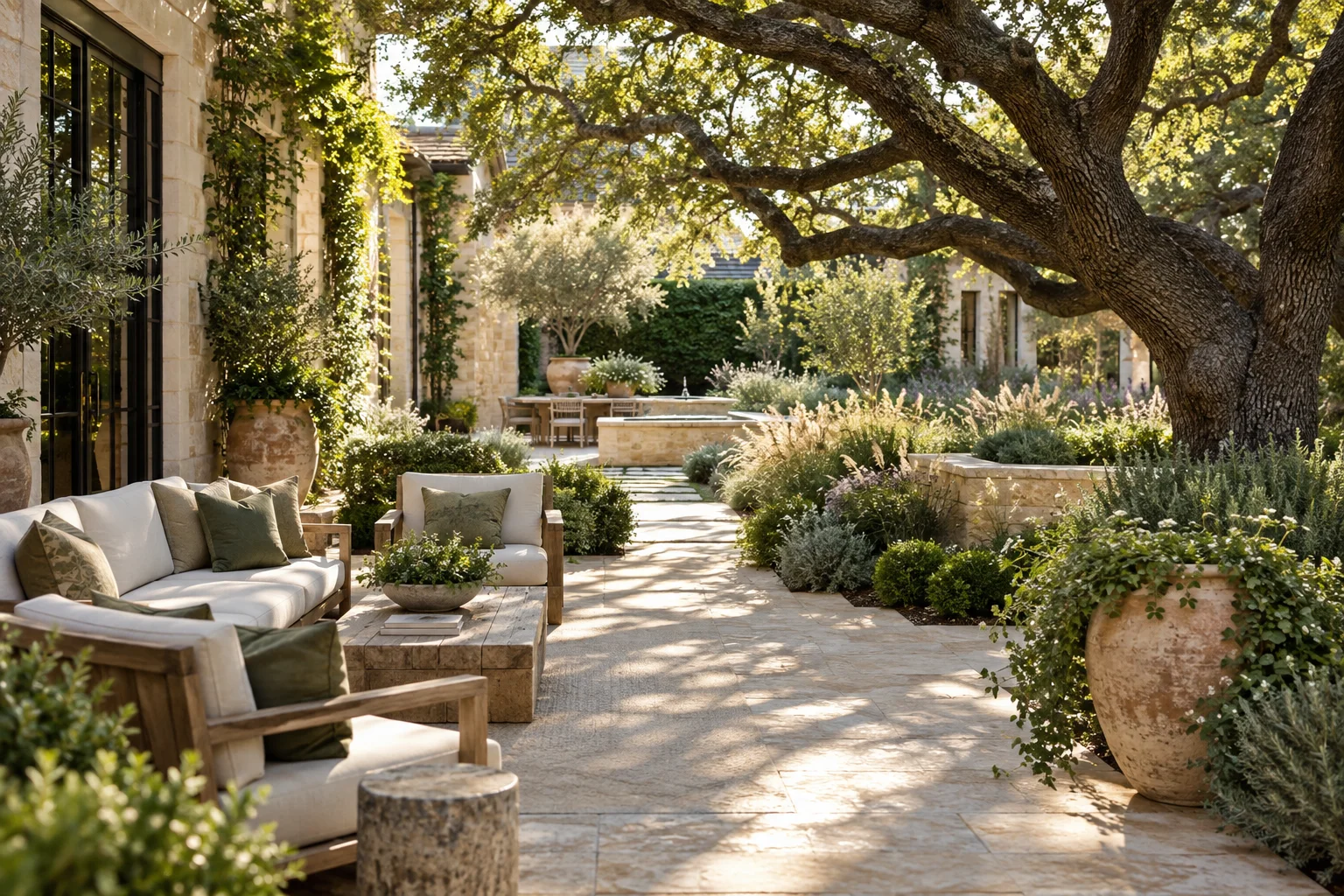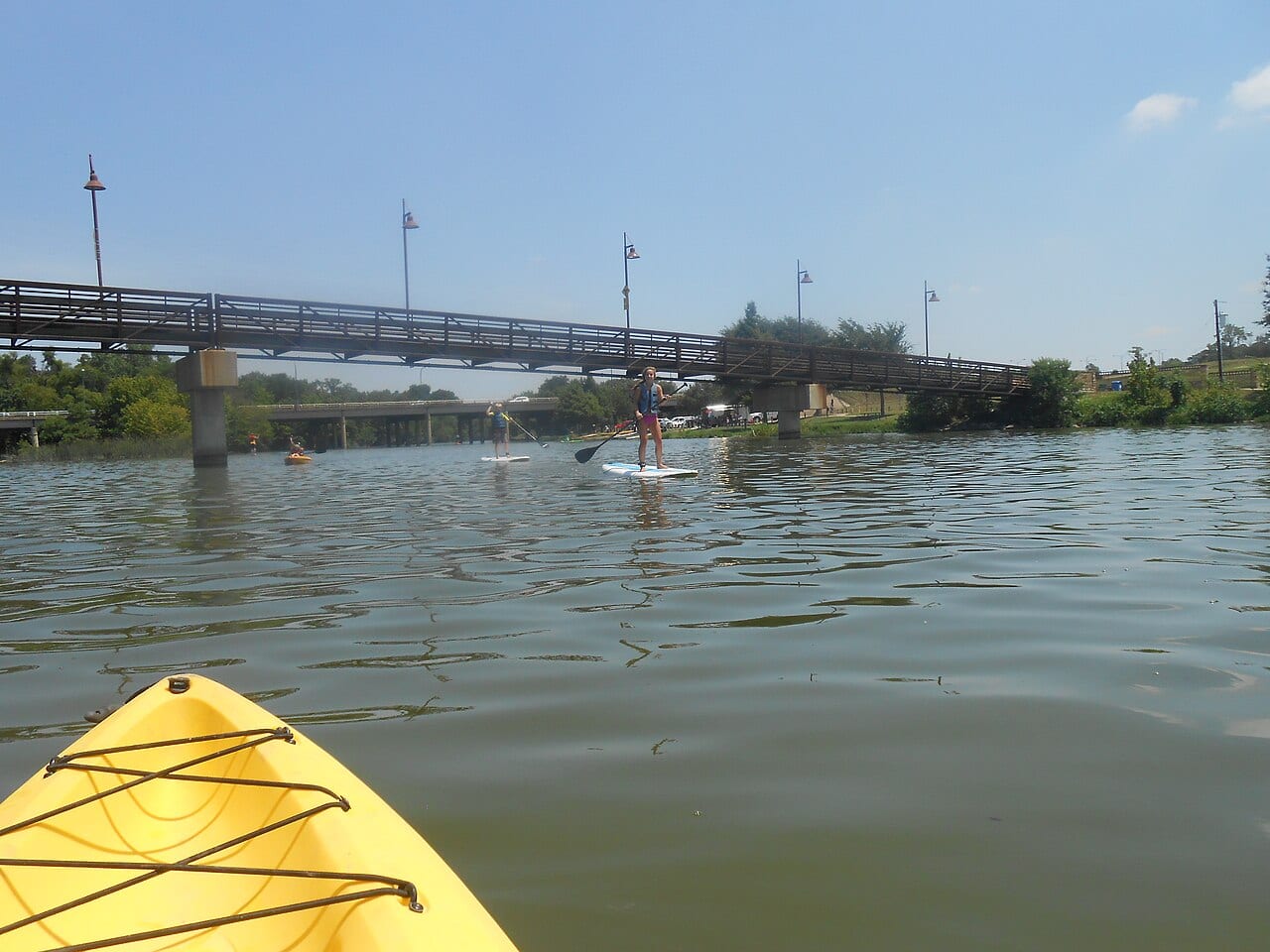
A single, well-chosen destination can anchor a day without the pressure of a packed schedule. Rather than attempting to navigate a dozen landmarks, selecting one primary civic space or cultural site allows for a deeper engagement with the environment. This approach shifts the goal from seeing as much as possible to experiencing a specific design or atmosphere at a personal tempo.
The weight of the itinerary
For many, the impulse to maximize a day trip leads to a heavy list of "must-see" stops. However, a dense itinerary often creates a trade-off between breadth and depth. You may visit three different parks or galleries, but you might only experience the surface of each, feeling the constant pull of the next appointment. When you strip away the optional additions, you gain the freedom to linger in a single courtyard or sit on a specific bench for an hour without feeling behind schedule.
For example, if you decide to visit a specific botanical garden, the core objective is the flora and the landscape design. An optional addition might be a scheduled guided tour or a visit to a nearby museum. If the garden is your primary reason for going, you can choose to ignore the museum entirely if the weather is perfect for walking the trails. The decision to bypass the extra stops is not a failure of planning, but a deliberate choice to prioritize the primary experience.
Verifying the core experience
Because the success of a single-purpose trip relies heavily on that one destination, verifying current information is a necessary step. Plans for public spaces can change due to maintenance, seasonal shifts, or temporary closures. Before departing, contact the site directly to ask about their current hours and whether any specific areas are inaccessible. You might also ask if there are any planned events that could impact the quietude or accessibility you are seeking.
Confirming these details ensures that your primary reason for going remains intact. There is a significant difference between a relaxed afternoon and a trip spent searching for an entrance that has been moved or a garden bed that is currently under renovation.
Designing your own pace
The most effective way to manage a day trip is to treat the primary destination as a flexible container rather than a rigid set of tasks. Once you arrive, observe how the space functions. Is it a place meant for movement, or is it designed for stillness? Use these observations to dictate your own movement through the site. If a particular architectural feature or shaded grove catches your eye, allow yourself the time to study it.
By separating the essential destination from the optional extras, you resolve the tension between ambition and enjoyment. Ask yourself whether the secondary activities truly enhance the primary one or merely add logistical friction. If the main goal is achieved, the day is a success, regardless of how many other sights remain unseen.