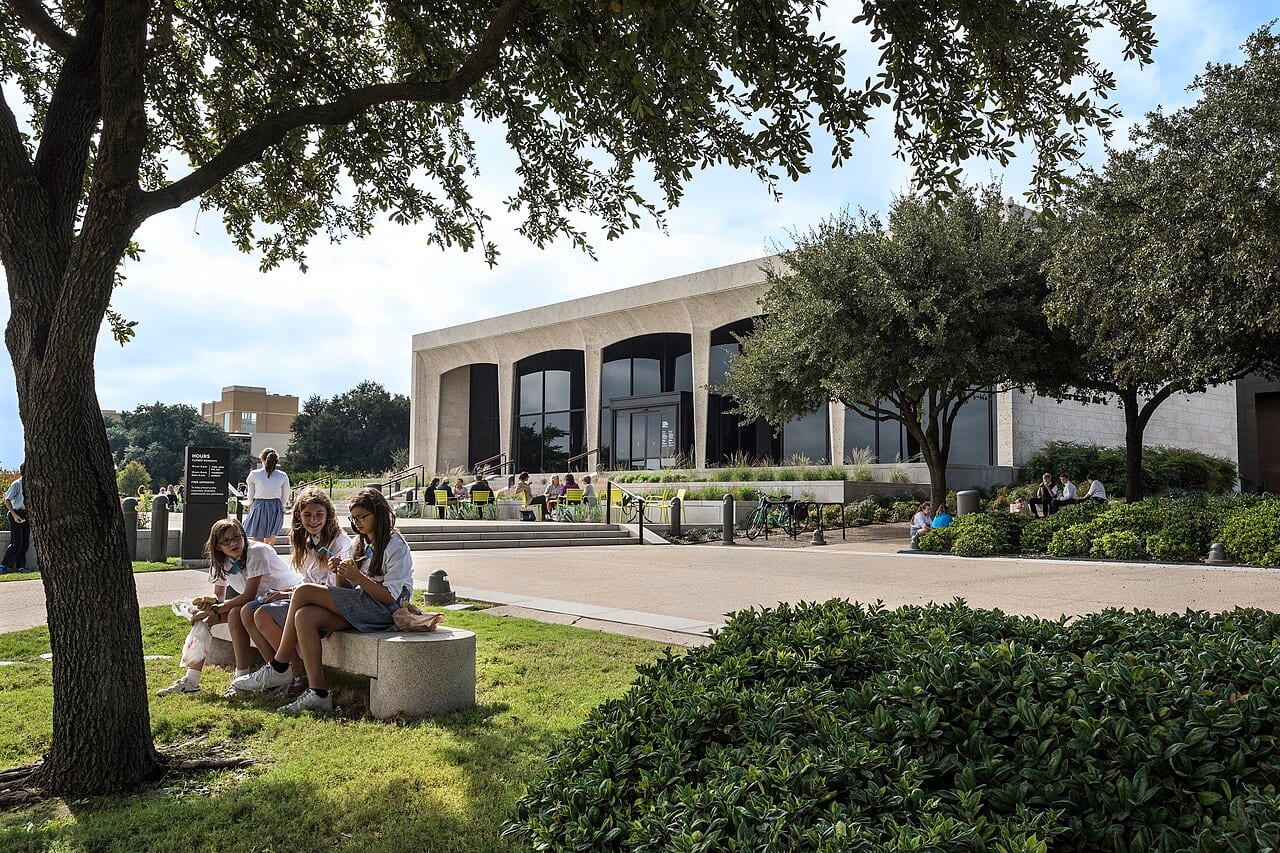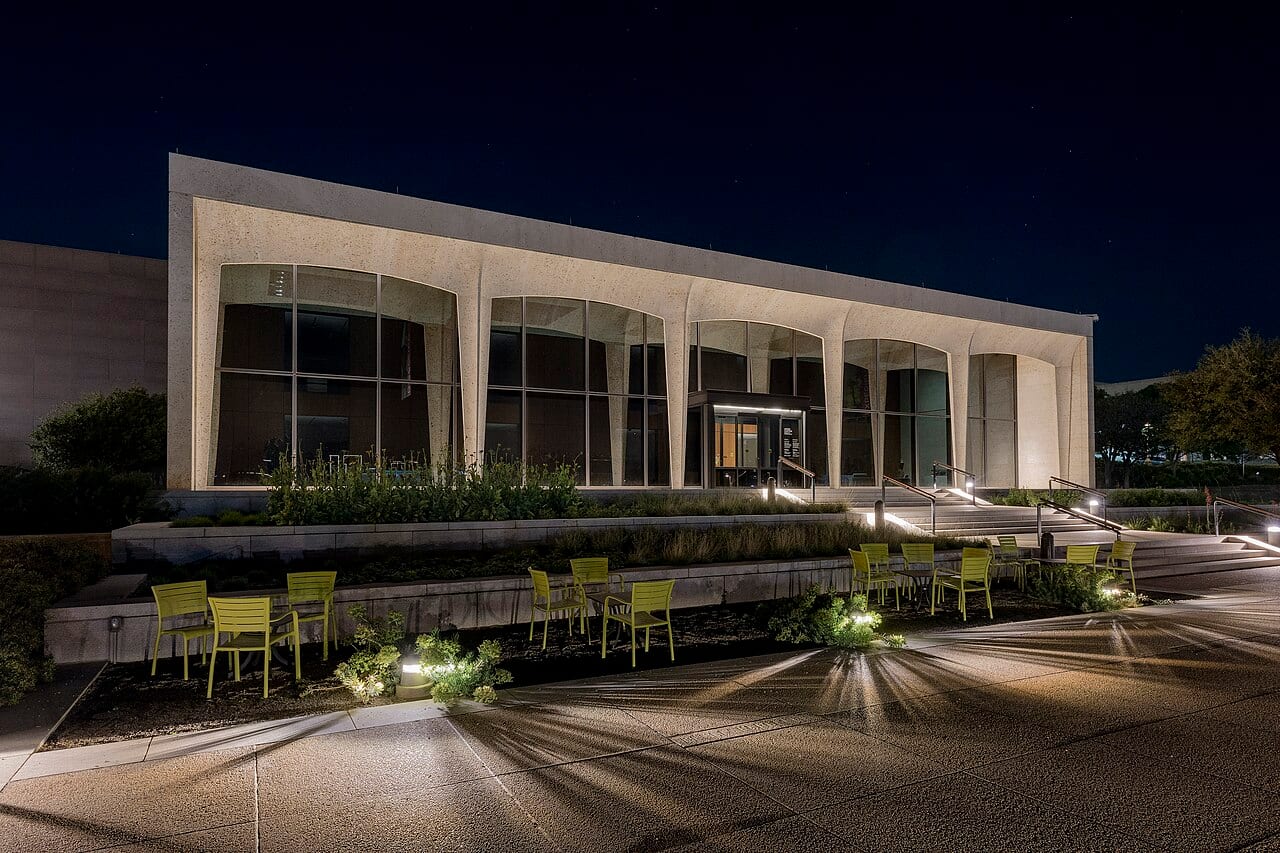
A quiet courtyard tucked behind a brick facade or a sudden, striking mural in an unexpected alleyway can change the rhythm of an afternoon. These moments of urban discovery often feel significant while they are happening, yet they possess a fragile quality. Without a deliberate way to capture them, the specific details—the texture of the stone, the name of the artist, or the exact way the light hit the plaza—tend to dissolve into a vague sense of having seen something interesting.
Building a Personal Record
To make a discovery useful for your future self, you must consider what information you want to retrieve later. A photograph captures a visual moment, but you might find yourself looking at a picture later and wondering where exactly it was taken or who created the work. A more comprehensive record often includes the identity of the space, the source of your information, and your personal reaction to the encounter.
Recording the creator or the specific name of a civic space provides a foundation. Noting where you learned about it—whether through a conversation, a physical plaque, or a specific map—allows you to trace the history back if you need to verify a detail. The subjective layer is also an option; you might write down why the moment mattered to you. Did the silence of the space offer a reprieve from the street noise, or did the scale of a sculpture make you feel particularly small?
Creating a Prompt for Return
One way to keep a discovery from becoming a static note is to attach a specific question to it. This turns a simple observation into an invitation for a future visit. Instead of just noting that a park felt peaceful, you can pose a question that requires a second visit to answer, creating a link between your past curiosity and your future movement through the city.
For example, if you find a small, community-managed garden while walking through a new district, you might record the name of the garden and the person who told you it existed. You could note that you felt a sense of relief seeing such greenery amidst the concrete. Then, you could leave yourself a prompt: "How does the atmosphere of this garden change during the early morning hours compared to the afternoon?"
The Tradeoff of Detail and Pace
The primary tradeoff in urban documentation is between the depth of the record and the flow of your day. A meticulous written entry provides rich detail but can interrupt the very experience you are trying to cherish. Conversely, a quick digital note may be easy to make but might lack the descriptive weight you want to trigger a memory months later.
Decide on a method that respects your pace. If you are mid-walk, a voice memo or a brief text to yourself might suffice. If you are sitting on a bench enjoying the space, a more descriptive written note is an option. The goal is to ensure that when you look back, you are not just looking at a collection of nameless places, but at a map of your own evolving interests. Choose a method that captures enough detail to be useful without stalling your progress through the streets.