A single frame can hold the weight of an entire afternoon. Whether it is a candid shot of a street corner or a formal portrait, a photograph is a physical or digital object that demands space, attention, and sometimes, a consideration of its origins. For those currently refining their living spaces—distilling a collection of belongings down to the essentials—the decision of which images to retain becomes a subtle exercise in curation.
The tension of the archive
Choosing what to keep often presents a tradeoff between sentiment and utility. You might find yourself holding a high-quality print that captures a beautiful landscape, yet it feels disconnected from the current atmosphere of your home. Conversely, a grainy, poorly lit snapshot might carry immense emotional resonance but offers little visual harmony to a curated room. The decision is rarely about finding the 'best' image in a technical sense, but rather about determining which images serve your current environment and your personal history.
For example, if you are transitioning from a larger house to a more streamlined urban apartment, you may face the reality that your walls can no longer accommodate every memory. You might have to choose between a large, striking photograph of a family gathering and several smaller, more intimate shots of quiet moments. One provides a focal point for a room, while the others provide a sense of continuity and warmth in smaller corners. This choice requires you to weigh the visual impact of a single piece against the collective feeling of a series.
Context and the unseen subject
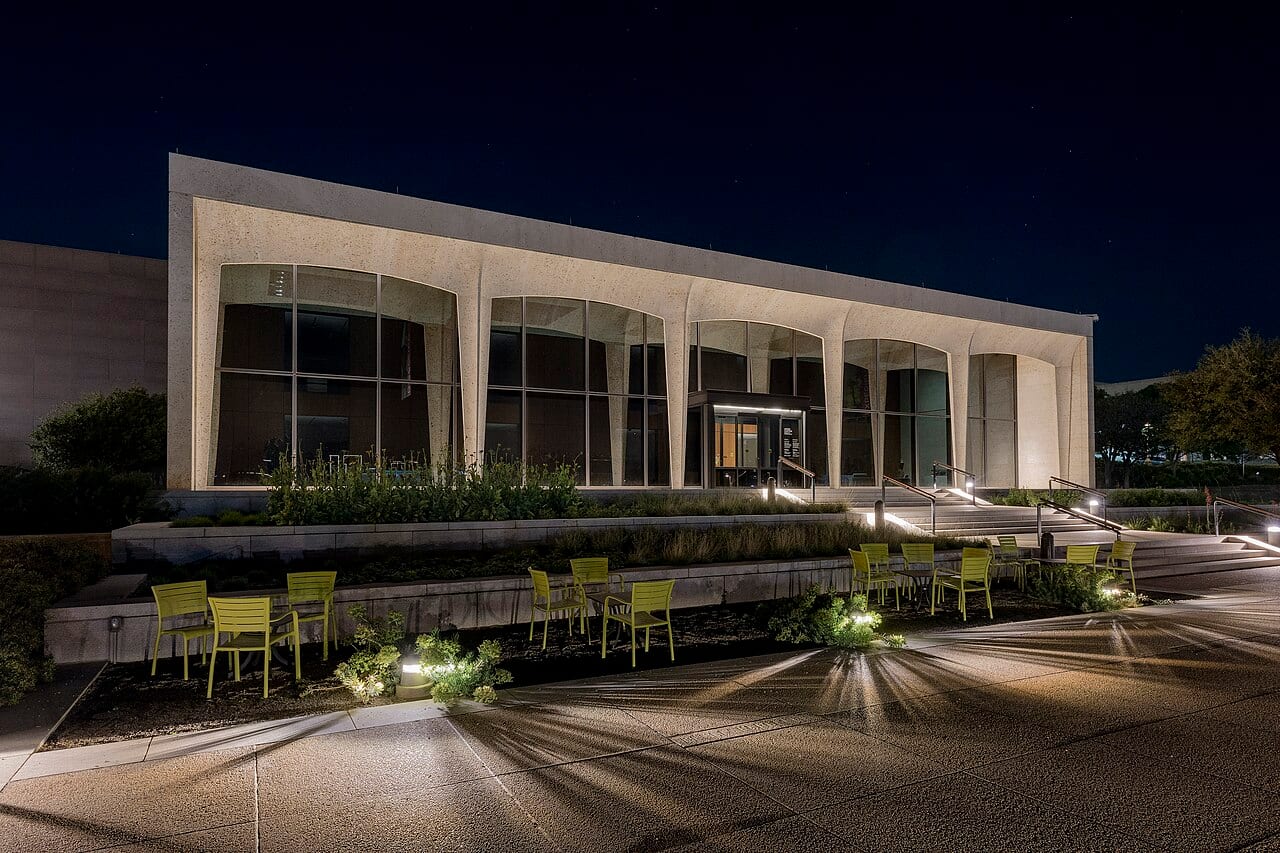
Beyond the visual impact, the provenance of a photograph introduces questions of context. A photograph is not just a composition of light and shadow; it is a record of a moment involving people and places. When deciding whether to print, frame, or prominently display a captured moment, consider the relationship between the subject and the viewer. An image taken in a public civic space or a shared community area carries a different social energy than a private portrait.
If you are working with images that feature other people, it is worth pausing to consider the intended use of that image. Ask yourself how the person depicted might feel about the photograph being displayed in a specific setting. Does the setting respect the dignity of the subject? If the image was captured in a professional or semi-public capacity, you might ask the original photographer about any existing understandings regarding how the image is shared or showcased. This ensures that your personal curation does not inadvertently conflict with the original intent of the capture.
Refining your visual collection
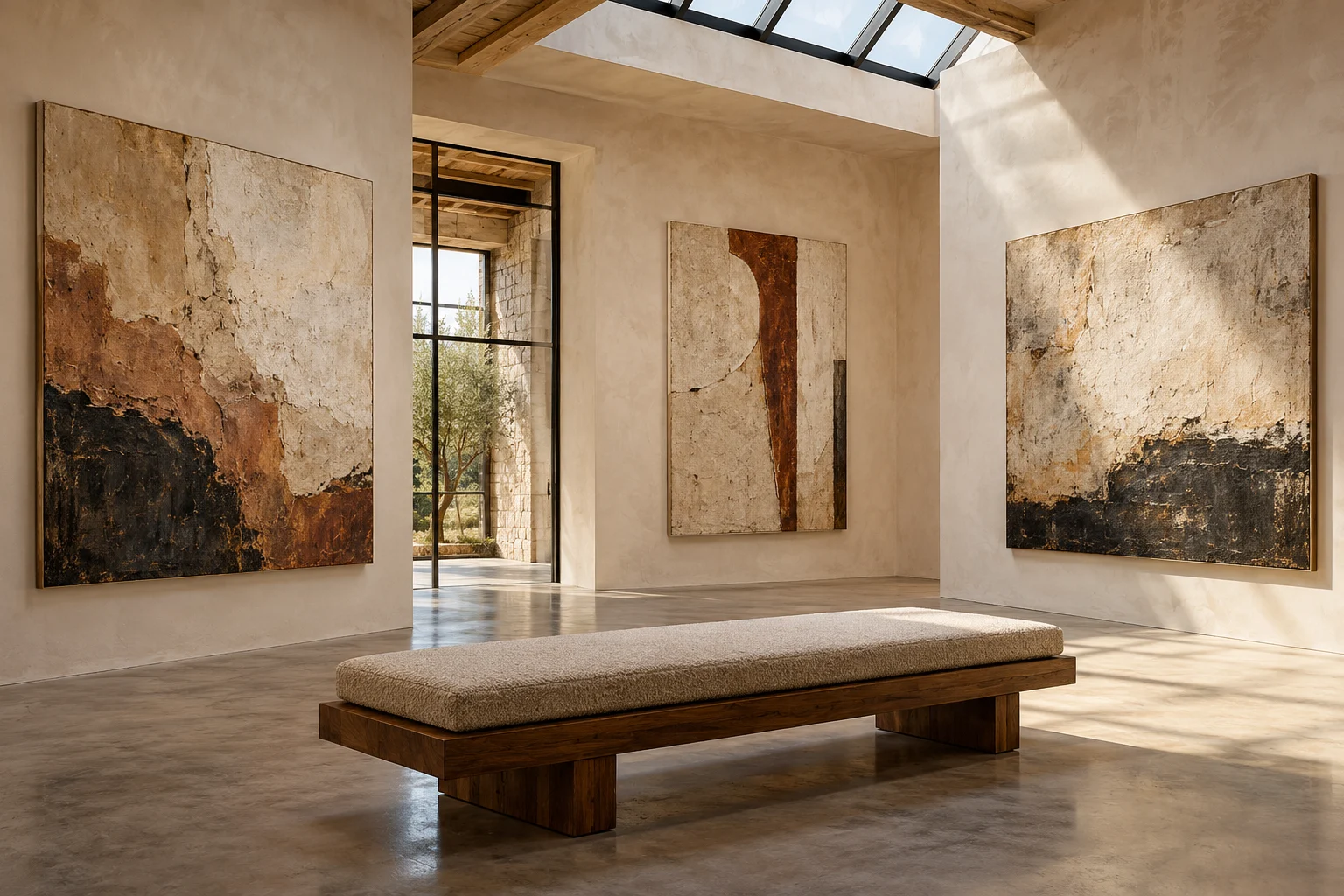
As you separate the essential from the optional, look at your collection through the lens of your daily life. A photograph that once felt vital might now feel like clutter, just as a discarded print might suddenly feel necessary when viewed in a new light. Instead of searching for a single standard of beauty, look for the images that speak to the life you are currently building. Consider how the light in your new space interacts with the colors in your prints, and how the scale of the work fits the architecture of your walls.
If you are unsure about the technical longevity of physical prints or the best way to archive digital files for the long term, you might ask a professional archivist or a specialist in digital preservation how to best protect your selected images from environmental damage or data loss. The goal is to ensure that the moments you choose to keep remain as clear and accessible as the day they were captured. By focusing on the intersection of personal meaning and physical space, you can build a collection that feels both intentional and complete.