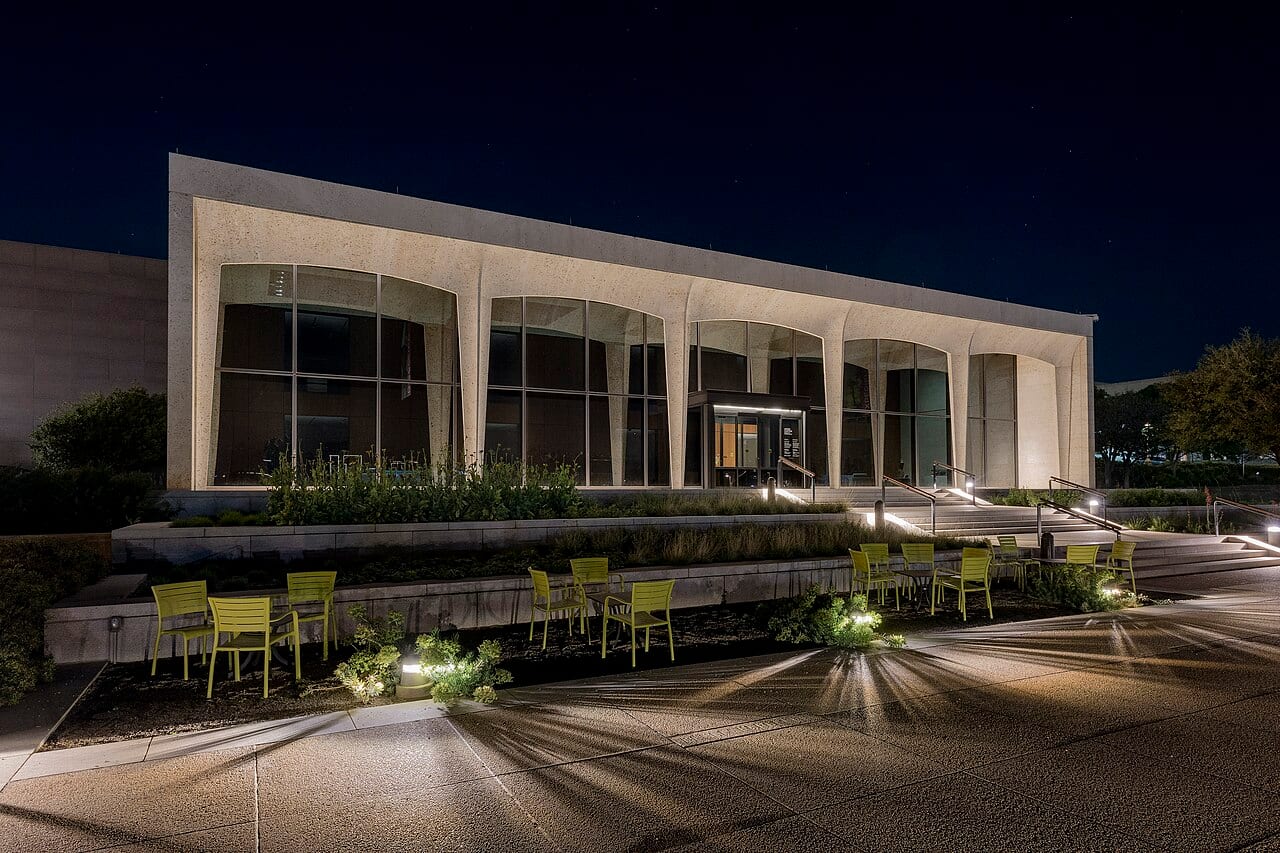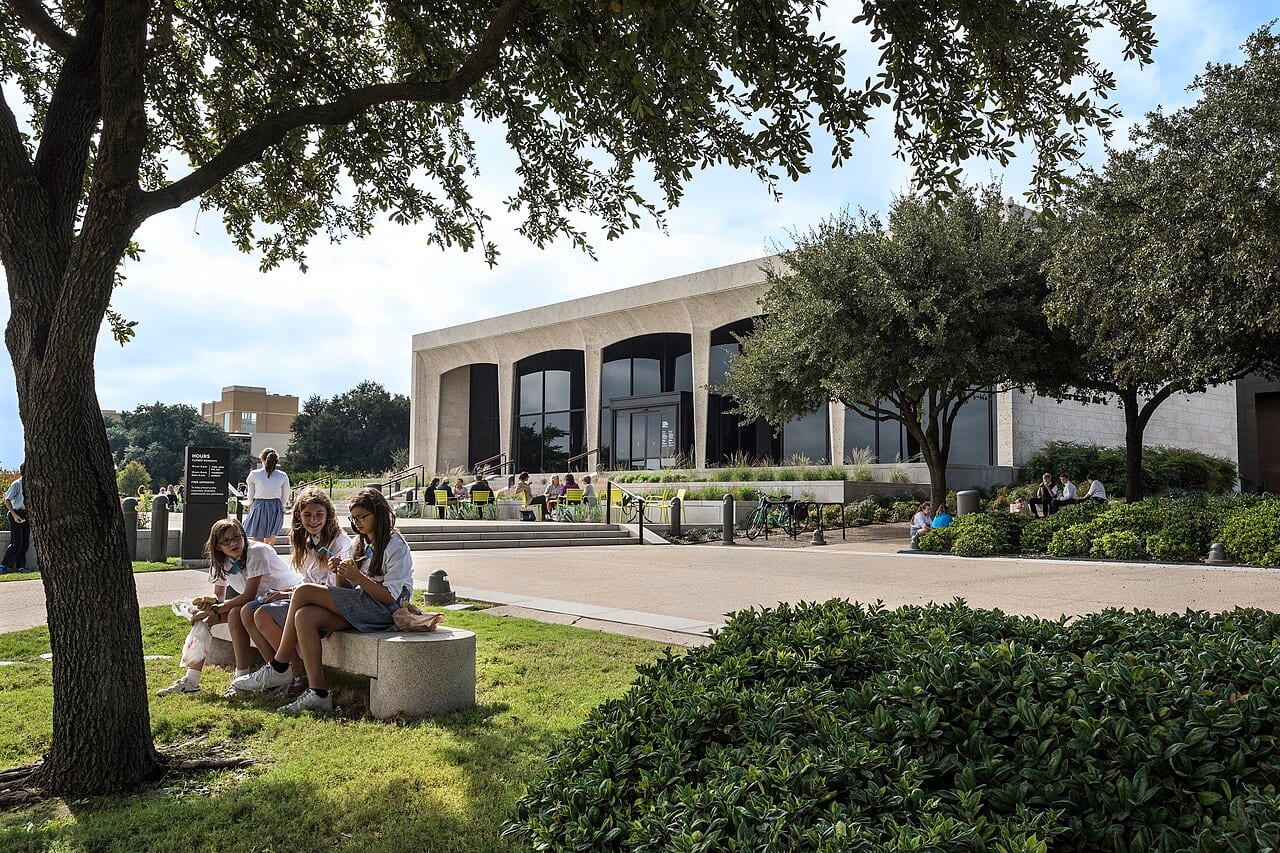
A museum membership often arrives with an implicit promise of endless discovery. The glossy brochures and digital calendars present a sprawling landscape of openings, retrospectives, and temporary installations, creating a sense of obligation to see it all. For the urban resident balancing a demanding schedule, this abundance can quickly transform a cultural pursuit into a logistical burden.
The Weight of the Unseen
Consider the mental load of managing a collection of 'must-see' events. When we approach a civic space with a checklist, our focus shifts from the sensory experience of the art to the mechanical task of completion. We begin to view the gallery not as a place for contemplation, but as a series of stations to be cleared. This pressure to maximize the value of a ticket or a membership often results in a shallow engagement with the work itself.
For example, if you have only ninety minutes before a dinner engagement, you might find yourself walking briskly through three different wings, glancing at labels and moving toward the exit. You have technically 'seen' the exhibitions, but the experience remains unanchored. You leave with a memory of movement rather than a memory of a specific image or idea.
Prioritizing Depth Over Breadth
The decision to see one exhibition rather than five is a deliberate tradeoff. By narrowing your scope, you exchange the breadth of a survey for the possibility of genuine reflection. This approach requires a different kind of preparation. Instead of scanning a full seasonal guide, look for the single installation or collection that aligns with your current curiosity or aesthetic temperament.
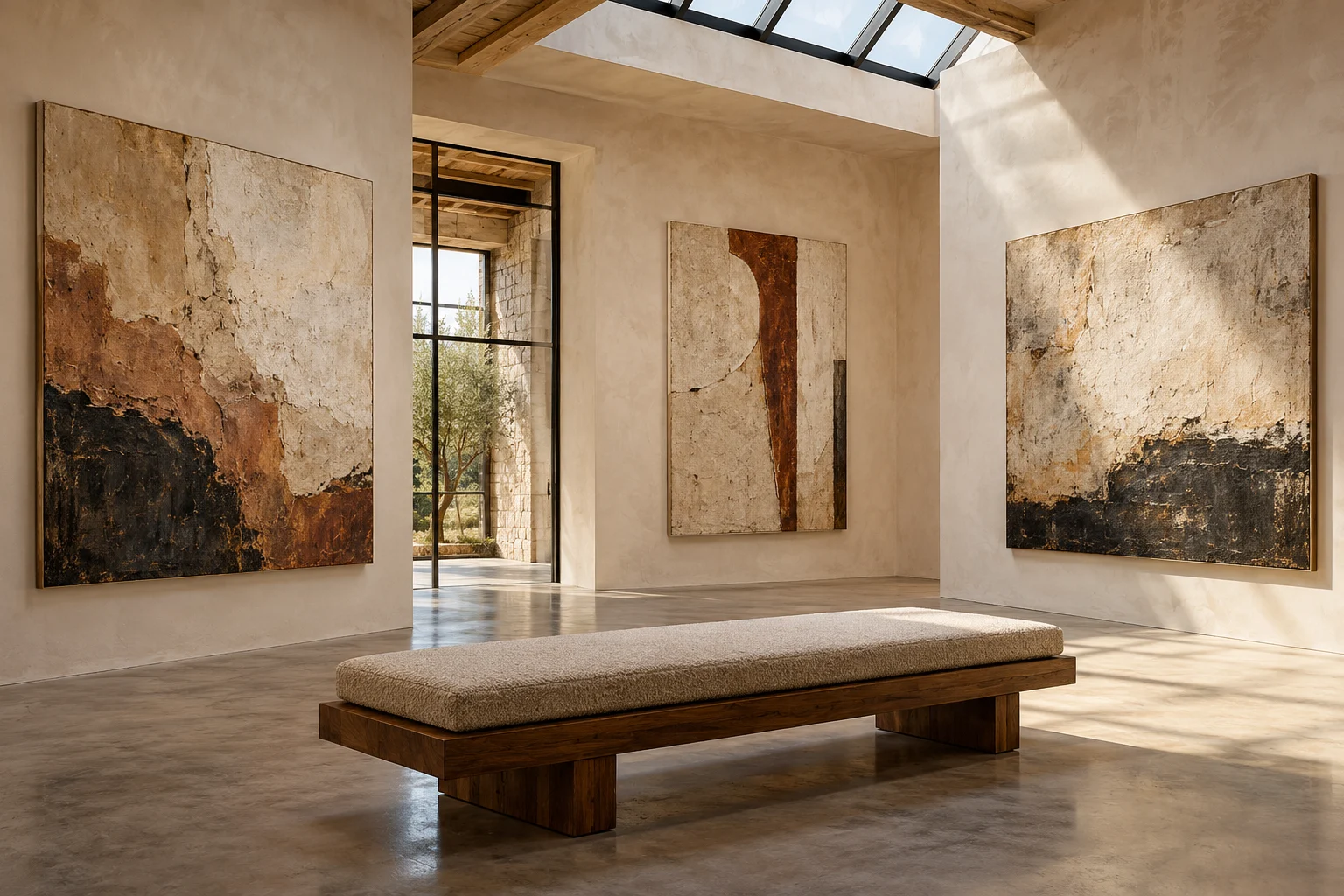
Choosing a single focus allows you to inhabit the space. You can sit on a bench in a quiet corner, observe how the light hits a particular medium, or return to a piece that unsettled you. This stillness is where the actual utility of a museum is found. It provides a rare opportunity to decouple from the rapid pace of city life and engage in a singular, uninterrupted dialogue with a creative vision.
Curating Your Own Experience
To make this practice effective, treat your visit as a private curation. Ask yourself which themes currently resonate with your personal interests or your understanding of the world. If a particular exhibition promises a specific material study or a unique historical perspective, let that be your sole destination.
Once you have selected your target, resist the urge to wander into adjacent galleries just because they are open. If you find yourself standing before a work that demands more attention, allow yourself the luxury of staying there. The goal is not to exhaust the museum's offerings, but to ensure that what you do see leaves a lasting impression. By deciding in advance to limit your itinerary, you reclaim your time and transform a routine outing into a meaningful encounter.