An invitation arrives in your inbox or via a group text, promising a vibrant evening at a local venue. The description is enthusiastic, filled with adjectives about the atmosphere and the caliber of the programming. However, for some, these descriptions leave a significant gap between the promised experience and the actual sensory reality of the room. Deciding whether to participate requires a careful look at the details that marketing copy often omits.
Reading Between the Lines
The language used in event descriptions often prioritizes mood over mechanics. A venue described as 'intimate' might imply a quiet corner for conversation, or it might mean a standing-room-only space where voices must compete with amplified sound. When an organizer uses words like 'energetic' or 'lively,' it is worth pausing to consider what that translates to in terms of physical density and noise levels.
For those who find more value in a thoughtful written recap of a presentation than in the presentation itself, the tradeoff is often between the immediacy of the live moment and the clarity of the information. A live event offers the electricity of a shared experience, but it may lack the precision and quietude required for deep processing. Deciding whether to attend requires weighing the desire for social presence against the potential for sensory or cognitive fatigue. If you prefer a structured summary, you must decide if the effort of navigating a crowd is worth the primary source material.
The Logistics of Presence
Access is a practical component that is rarely detailed in a marketing blurb. Understanding the physical layout of a civic space or a private venue can change how you approach the evening. If the event is held in a multi-level space, does the primary programming occur on a floor that is easily accessible? If the venue is a public plaza, what are the boundaries of the event, and how does it interact with the surrounding streetscape?
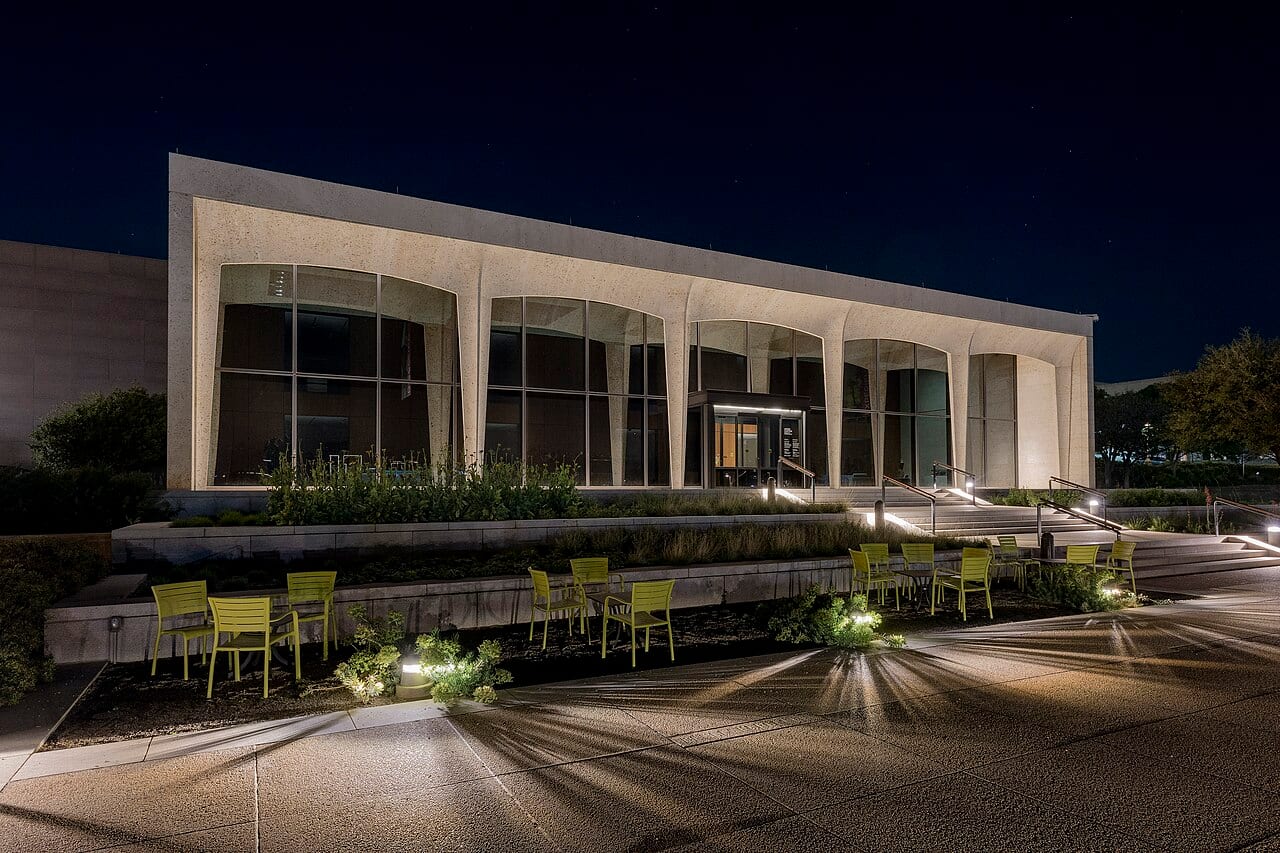
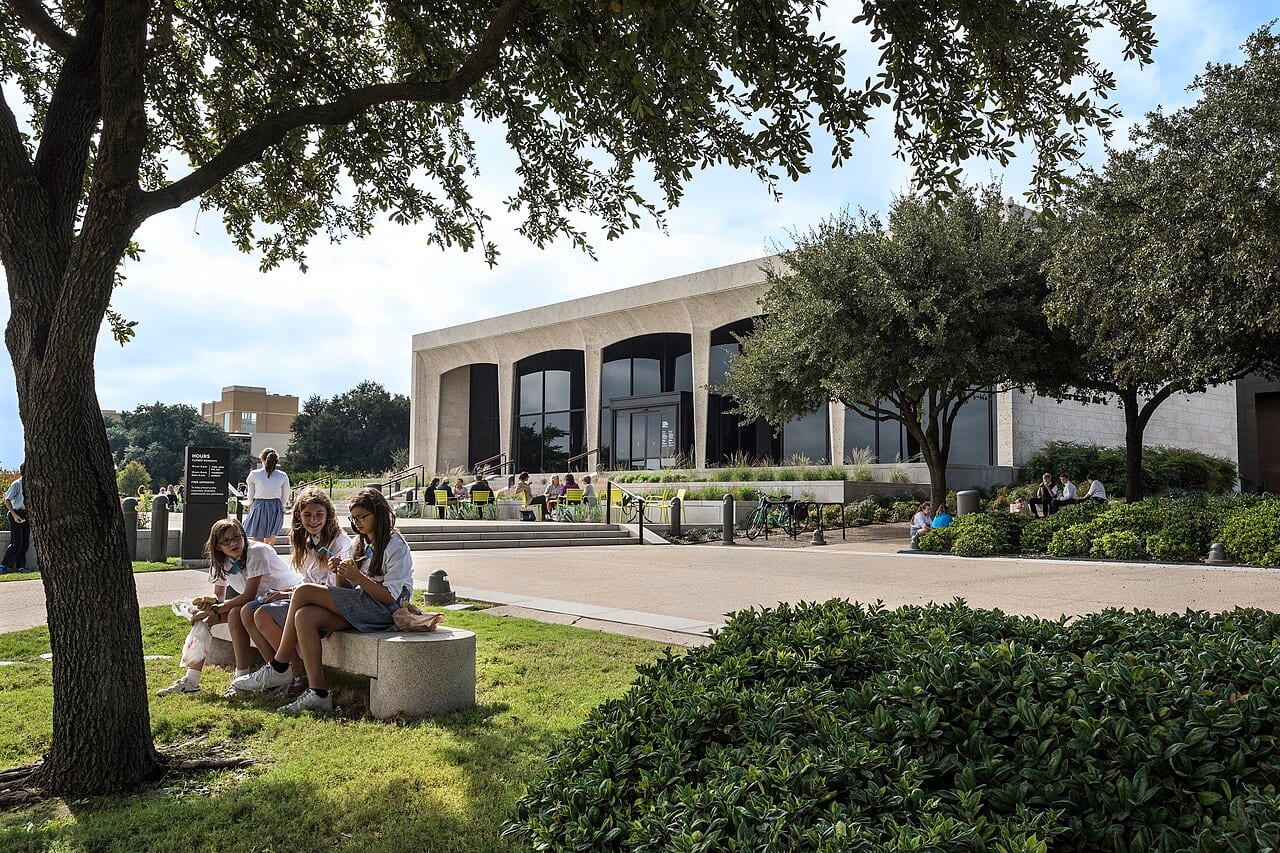
For example, if a group plans to meet at a new outdoor installation, you might ask the organizer how the seating is arranged or if there are shaded areas available. This isn't about avoiding the event, but about ensuring the environment allows you to engage on your own terms. If the goal is to hear a specific speaker, ask whether the venue provides acoustics suitable for listening or if the setting is designed primarily for mingling. Understanding these physical constraints allows you to prepare for the environment before you arrive.
Aligning Group Intentions
Conflict often arises not from the event itself, but from mismatched expectations within a social group. One person may view the outing as a way to network and move through the crowd, while another may see it as a focused opportunity to learn. Before the group departs, it can be helpful to clarify the collective goal.
Are you gathering to witness a specific performance, or is the event merely a backdrop for a social catch-up? If you find yourself leaning toward the latter, you might suggest a quieter alternative for a future outing. By asking the organizer about the expected duration and the flow of the evening, you can better prepare your own energy. Once you have assessed the venue's description, the physical accessibility, and the group's intent, you can decide if the live experience offers the specific value you seek or if the written summary will serve you better.